The Superhuman Calorie Furnace: It’s Not What You Think
You’ve probably seen that viral video of a professional athlete casually consuming 10,000 calories a day while maintaining single-digit body fat. Sure, your trainer’s Instagram caption says “Just eat what [insert random Olympian] eats!” But here’s the thing: that athlete doesn’t have a metabolism—they have a small nuclear reactor installed where their stomach used to be. While you’re carefully counting your 2,000 daily calories, your athletic hero is burning through enough energy to power a small village. The fundamental problem with treating elite athletes as nutrition gospels? Their bodies operate under completely different physical laws than yours.
Genetics: The Lottery You Didn’t Win
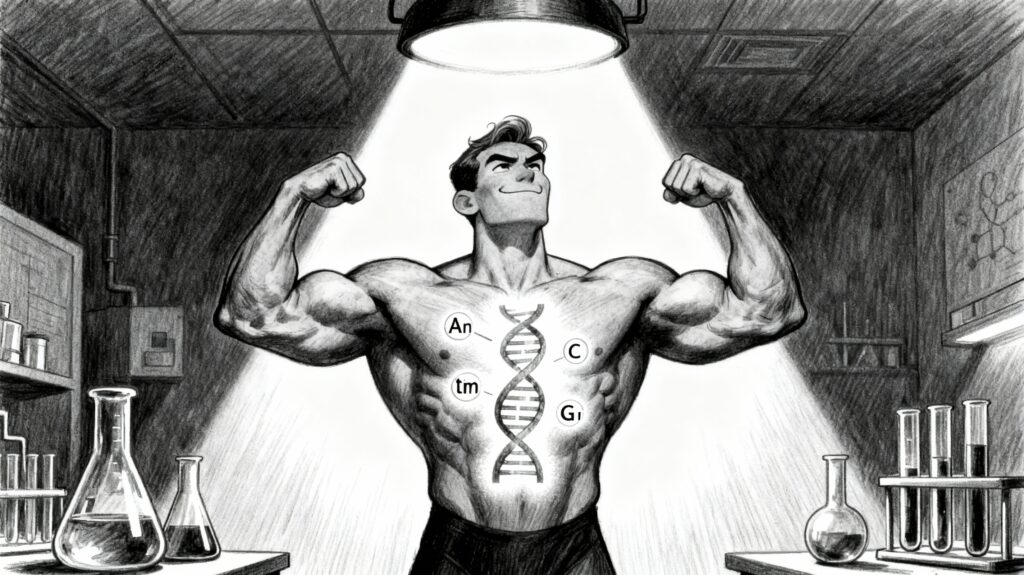
Let’s be brutally honest: elite athletes didn’t just train their way into their superhuman status. They also won the genetic lottery in the most unfair way imaginable. We’re talking about people whose bodies were essentially engineered at birth for peak performance. They have mitochondrial density that makes normal humans look like they’re running on dial-up internet. Their muscle fiber composition, hormone levels, and metabolic efficiency are precisely calibrated for maximum athletic output. When your CrossFit instructor suggests you “eat like LeBron James,” what they’re really saying is: “Try to become a genetic anomaly through dietary willpower alone.” Spoiler alert: it doesn’t work.
The Recovery Problem: Training Like a Pro Without the Pro Resources
Elite athletes have one massive advantage that most people overlook: they dedicate their entire lives—and enormous resources—to recovery. We’re talking about personal chefs, sports nutritionists, massage therapists, cryotherapy chambers, and enough sleep to make a hibernating bear jealous. When an Olympic swimmer eats 12,000 calories, those calories aren’t just floating around getting stored as fat; they’re being strategically deployed to rebuild muscle tissue that’s been obliterated by six hours of training in a pool. If you copy their diet while working a desk job and squeezing in occasional gym sessions, you won’t become them. You’ll just become bloated. The diet doesn’t exist in a vacuum—it’s part of an entire ecosystem designed by teams of specialists.
The Metabolic Paradox: What Works for Them Won’t Work for You
Here’s where it gets really interesting: elite athletes often have damaged relationships with food that would horrify a nutritionist. Some maintain performance while carrying injuries that would sideline regular people. Others develop eating disorders while maintaining the appearance of health—all because their extreme training volume masks nutritional chaos. Their bodies are essentially running so hot that normal dietary rules don’t apply. Meanwhile, regular humans trying to mimic their approach often end up either overeating or developing metabolic damage from excessive restriction. Your body isn’t operating at 200% capacity; it’s operating at, let’s generously say, 80% capacity. The caloric math simply doesn’t translate.

The Bottom Line: Stop Following the Wrong Blueprint
Admiring elite athletes is fantastic. Following their nutrition advice? That’s like trying to fly by copying Superman. Your body needs a completely different approach—one designed for human-level activity, realistic recovery capacity, and the actual biological constraints you possess. The most revolutionary thing you can do is stop comparing your dietary needs to someone whose entire existence is structured around athletic performance. Build a diet for your life, not for their profession. Your waistline will thank you.

Individualized Nutrition and the Limitations of Athletic Diet Models
The widespread phenomenon of mimicking elite athlete diets represents a fundamental misunderstanding of nutritional science and human physiology. While professional athletes captivate audiences with extraordinary feats of physical performance, their nutritional strategies are specifically calibrated for their unique biological conditions, intensive training regimens, and specialized support infrastructure. The core theme underlying this analysis concerns the critical differences between elite athletic metabolism and average human physiology, making athlete diets unsuitable templates for general population nutrition.
The Metabolic Ceiling: Understanding Energy Expenditure Limits
Recent scientific research has definitively established that even elite ultra-endurance athletes operate within a biological metabolic ceiling of approximately 2.5 times their basal metabolic rate (BMR) when sustained over extended periods. While individual athletes may achieve short-term energy expenditures of 6-7 times their BMR during intense multi-day competitions—equivalent to 7,000-8,000 calories daily—this extraordinary output cannot be maintained indefinitely.
The human body possesses inherent compensatory mechanisms that prevent sustained extreme energy expenditure. As research demonstrates, when athletes increase training intensity, they unconsciously reduce energy expenditure in other areas, such as spontaneous movement, fidgeting, and thermoregulation. This biological adaptation reveals a fundamental constraint: sustainable metabolic rates plateau far below the dramatic caloric intake figures often showcased in viral athlete videos.
For context, an athlete with a BMR of approximately 1,800 calories would sustain around 4,500 calories daily when operating at the 2.5× ceiling—substantial but fundamentally different from the 10,000-12,000-calorie narratives frequently circulated on social media. Most individuals would require running approximately 11 miles daily for an entire year to approach this metabolic ceiling.
Genetic Architecture and Athletic Performance
The genetic foundations of elite athletic performance operate as a complex system far more sophisticated than simple willpower or dietary discipline. Elite athletes possess specific genetic polymorphisms affecting mitochondrial biogenesis, cardiovascular efficiency, muscle fiber composition, and metabolic enzyme function.
Key genetic factors influencing athletic performance and nutritional requirements include variants in genes such as PPARGC1A (regulating mitochondrial development and energy metabolism efficiency), ACE (controlling cardiovascular efficiency and oxygen utilization), and ACTN3 (affecting muscle strength and power output). These genetic predispositions establish the foundational capacity for elite performance before any training or nutritional intervention occurs.
Nutrigenomics—the study of interactions between genes and nutrients—reveals that nutritional requirements and nutrient processing efficiency vary significantly based on individual genetic profiles. An athlete’s ability to utilize glycogen, process dietary fats, or maintain metabolic efficiency represents partly inherited capacity. While training and nutrition can optimize genetically determined potential, they cannot bypass genetic constraints. This reality explains why identical dietary protocols produce vastly different outcomes across individuals.
The Infrastructure Advantage: Recovery Systems Beyond Nutrition
Professional athletes operate within comprehensive infrastructure ecosystems deliberately engineered for optimal recovery and performance adaptation. This ecosystem extends far beyond dietary intake to encompass specialized personnel, technology, and protocols unavailable to general populations.
Elite athlete support systems typically include certified sports dietitians (registered dietitian nutritionists with specialized sports nutrition credentials), strength and conditioning coaches, massage therapists, athletic trainers, and sports medicine physicians. Additionally, elite athletes access advanced recovery modalities including whole-body cryotherapy (WBC), compression therapy, controlled sleep environments, and precise periodization of training loads.

When a professional swimmer consumes 12,000 calories, those calories are strategically deployed through coordinated recovery protocols. Post-training nutrition aligns with muscle glycogen depletion rates, protein requirements for specific muscle damage patterns, and circadian rhythm optimization. Recovery modalities like cryotherapy—shown to enhance parasympathetic nervous system activation and deep sleep quality when deployed strategically—complement nutritional interventions.
The critical distinction involves targeted energy deployment: elite athletes’ high caloric intake serves immediate, specific physiological adaptations from systematically managed training stress. Average individuals approximating athlete diets without comparable training loads, professional recovery support, or genetic advantages face metabolic mismatch—consuming calories without corresponding energy expenditure justification.
Individual Metabolic Variability and Personalized Nutrition Science
Contemporary nutrition science has abandoned the “one-diet-fits-all” paradigm in favor of personalized nutrition approaches recognizing profound inter-individual metabolic heterogeneity. Recent research demonstrates that identical dietary interventions produce substantially different metabolic outcomes across individuals, driven by genetic variation, gut microbiota composition, hormonal profiles, and epigenetic factors.
A landmark study published in Nature identified that people consuming identical diets exhibit dramatically variable postprandial glucose and triglyceride responses—variations driven by individual metabolic phenotypes. Personalized nutrition interventions accounting for these individual differences produce superior health outcomes compared to generic dietary recommendations.
This evidence directly contradicts athlete-diet emulation strategies. Rather than following standardized athlete protocols, individuals should develop nutrition plans reflecting personal metabolic testing, genetic predispositions, and activity-specific requirements. Attempting to adopt elite athlete nutrition without corresponding metabolic assessment represents nutritional guesswork rather than evidence-based practice.
Hidden Challenges: Eating Disorders and Masked Nutritional Pathology
A frequently overlooked dimension involves the prevalence of disordered eating among elite athletes, particularly in sports emphasizing leanness (running, gymnastics, diving, swimming). The intense discipline and body-awareness required for elite athletic performance can paradoxically facilitate eating disorder development, with competitive athletes showing significantly higher eating disorder prevalence rates compared to non-athletic populations.
Sports medicine research indicates that eating disorders in athletes are frequently underdiagnosed because extreme exercise volume masks nutritional chaos. An athlete maintaining single-digit body fat percentage while consuming inadequate calories might appear metabolically healthy by standard assessment, despite operating under chronic energy deficit conditions that would severely impact sedentary individuals.
The superficially impressive physiques maintained by some athletes despite potentially disordered eating patterns can reinforce dangerous narratives about extreme dietary restriction or unusual eating behaviors. Emulating such patterns without professional supervision creates substantial eating disorder risk, particularly among younger individuals vulnerable to developing such pathology.
Training Load Reality: The Missing Context in Athlete Diet Stories
The relationship between training volume, energy expenditure, and nutritional requirements remains poorly understood in popular fitness discourse. Professional athletes operate at training intensities and volumes fundamentally different from recreational fitness participation.
Research examining non-exercise activity thermogenesis (NEAT) demonstrates that athletes engaged in intensive training actually spend more total daily time in sedentary behavior than non-athletes. This seemingly paradoxical finding reflects energy allocation priorities: athletes budget limited daily energy toward high-intensity training rather than maintaining continuous baseline activity levels. The caloric intake observed in elite athletes therefore primarily fuels extraordinary training volumes—approximately 11 miles daily for ultramarathoners to reach metabolic ceilings—rather than representing sustainable nutrition for typical activity patterns.
Conclusion
Elite athletes embody remarkable human potential, yet their nutritional strategies represent specialized solutions for specialized problems rather than universal dietary blueprints. Fundamental physiological differences in metabolic ceiling capacity, genetic athletic predisposition, professional recovery infrastructure, and training volumes create a biological context completely divorced from average individuals’ circumstances.
Personalized nutrition science increasingly demonstrates that effective dietary strategies must address individual metabolic phenotypes, genetic profiles, activity levels, and health objectives rather than mirroring external models regardless of contextual fit. Rather than consuming “like an elite athlete,” individuals achieve optimal health through evidence-based, personally calibrated nutrition approaches reflecting their unique biological characteristics and lifestyle demands. This represents not just superior science, but sustainable, individually appropriate nutrition strategy.

FAQ: Why Elite Athletes Are Poor Nutrition Role Models
Can I Follow an Elite Athlete’s Diet to Lose Weight and Build Muscle?
No. Elite athletes consume extraordinary caloric volumes due to intensive training schedules burning 6,000-8,000 daily calories. Average individuals cannot sustain comparable energy expenditure without similar training loads. Adopting athlete nutrition without corresponding exercise volume creates metabolic surplus, promoting weight gain rather than physical improvement. Personalized nutrition addressing individual activity levels produces superior results.
What Is the Metabolic Ceiling, and How Does It Affect Athlete Diets?
The metabolic ceiling represents approximately 2.5 times basal metabolic rate (BMR) as a sustainable maximum energy expenditure. Elite athletes reach 4,500-5,000 daily calories within this constraint through systematic training. Your metabolic ceiling depends on individual BMR; most people average 2,000-2,500 sustainable calories. Understanding your personal ceiling prevents caloric overestimation and unnecessary dietary expansion mimicking athlete protocols.
Do Athletes Have Different Genetics Than Average People?
Yes, significantly. Elite athletes possess specific genetic polymorphisms affecting mitochondrial biogenesis, cardiovascular efficiency, muscle fiber composition, and metabolic enzyme function. Variants in PPARGC1A, ACE, and ACTN3 genes create foundational athletic advantages pre-existing any training. These genetic predispositions establish performance capacity beyond dietary modification’s influence, explaining why identical diets produce vastly different outcomes across individuals.
What Recovery Resources Do Professional Athletes Access Beyond Nutrition?
Elite athletes operate within comprehensive infrastructure including certified sports dietitians, strength coaches, massage therapists, athletic trainers, and sports medicine physicians. Advanced modalities encompass whole-body cryotherapy, compression therapy, controlled sleep environments, and periodized training protocols. Nutrition represents one component within systematically managed recovery ecosystems unavailable to general populations, making direct diet replication ineffective without parallel support systems.
How Does Personalized Nutrition Differ From Following Athlete Diet Models?
Personalized nutrition addresses individual metabolic phenotypes through genetic testing, microbiota analysis, and hormonal profiling. Recent research demonstrates identical diets produce dramatically variable metabolic outcomes across individuals. Personalized approaches account for unique metabolic characteristics, activity levels, and health objectives. This evidence-based strategy surpasses generic athlete protocols, producing superior sustainable health outcomes aligned with individual biology.
Are Eating Disorders Common Among Elite Athletes?
Yes, significantly. Competitive athletes demonstrate substantially higher eating disorder prevalence than non-athletic populations, particularly in leanness-emphasized sports. Extreme exercise volume masks nutritional pathology; athletes maintaining single-digit body fat on inadequate calories appear metabolically healthy despite chronic energy deficits. Emulating such patterns without professional supervision creates substantial eating disorder risk, particularly among vulnerable younger individuals.
What Training Volume Do Elite Athletes Actually Maintain Daily?
Professional ultramarathoners sustain approximately 11 miles daily to approach metabolic ceiling limits. Most recreational fitness enthusiasts complete 3-5 miles weekly. This tenfold training volume differential fundamentally alters nutritional requirements. Athletes budget limited daily energy toward high-intensity training rather than baseline activity maintenance. Caloric intake observed in elite athletes fuels these extraordinary training regimens, not sustainable general-population nutrition.
How Does Non-Exercise Activity Thermogenesis (NEAT) Impact Athlete Diets?
NEAT—energy expenditure from daily movement—differs dramatically between athletes and average populations. Paradoxically, athletes engaged in intensive training spend more total daily time sedentary than non-athletes, prioritizing high-intensity sessions over continuous baseline activity. This energy allocation strategy explains apparent caloric discrepancies. Athletes consume more total calories but expend proportionally more on structured training, not spontaneous movement or thermoregulation like less-trained individuals.
Can Genetic Testing Determine My Optimal Nutrition Strategy?
Partially. Nutrigenomics reveals how individual genetic profiles affect nutrient utilization, glycogen processing, and dietary fat efficiency. However, genetics represent one component within multi-factorial nutrition science. Effective personalized strategies integrate genetic information with metabolic testing, gut microbiota analysis, hormonal profiles, activity levels, and health objectives. Genetic testing provides valuable direction but requires professional interpretation within comprehensive assessment frameworks.
What Should Average People Do Instead of Following Athlete Diets?
Develop evidence-based, individually calibrated nutrition addressing personal metabolic phenotypes, genetic predispositions, activity levels, and health objectives. Consult registered dietitian nutritionists specializing in personalized nutrition rather than emulating external models. Conduct metabolic testing, track individual responses to dietary interventions, and adjust protocols based on personal outcomes. This scientific approach produces sustainable, individually appropriate nutrition superior to generic athlete diet replication.