Why wait until you’re hangry and staring emptily into your fridge like a lost puppy? Meal prep is the unsung hero of sensible eating, quietly saving you from those last-minute, regrettable decisions that often involve greasy takeout or a mysterious leftover mystery. When you have meals already prepped and ready, suddenly that frozen pizza doesn’t look so tempting anymore. It’s like having a culinary shield against impulsive snack attacks and food FOMO.
The Science Behind Saying No to Bad Choices
Prepping meals in advance doesn’t just save time — it actively prevents you from grabbing the nearest calorie bomb when hunger hits. Studies show that people who plan and prepare their meals tend to consume fewer calories, eat higher-quality food, and keep weight in check better than those who wing it daily. This is because having healthy, portion-controlled meals pre-made means you’re not left staring blankly at options that end up being fast but not nutritious. Plus, it reduces decision fatigue — less time spent agonizing over what to eat means more mental energy for life’s truly important decisions, like which Netflix series to binge next.
Getting Started Without Losing Your Mind
“For beginners,” they say — and yes, meal prep can sound like a full-time job — start small. Pick one or two simple recipes per week. Cook a batch, portion it out, and store leftovers responsibly (because no one needs a science experiment in the fridge). Give yourself permission to mix it up: veggie bowls, pasta salads, and baked proteins are excellent go-tos that don’t involve wielding a chef’s knife like a samurai sword.
Practical Tips for the Rookie Preppers
- Schedule a dedicated meal prep day, ideally when you aren’t tempted to use “I’m too tired” as an excuse.
- Focus on cooking the longest-to-prepare items first—proteins like chicken, grains like quinoa, and roasted veggies.
- Use versatile staples you actually enjoy and that can be repurposed throughout the week (hello, hard-boiled eggs and chopped greens).
- Invest in good containers; your future self will thank you when you’re grabbing lunches on the go.
- Keep it fun and not a chore: switch up flavors and cuisines to avoid “blah” meals.
Meal prep isn’t just a health fad; it’s a tactical strike against stress, bad choices, wasted money, and the eternal question of “What’s for dinner?” It’s the secret weapon you didn’t realize you needed, but once you wield it, you wonder how you ever survived without it. So go ahead—embrace the prep, and reclaim your fridge (and your willpower).

Why wait until you’re hangry and staring emptily into your fridge like a lost puppy? Meal prep is the unsung hero of sensible eating, quietly saving you from those last-minute, regrettable decisions that often involve greasy takeout or a mysterious leftover mystery. When you have meals already prepped and ready, suddenly that frozen pizza doesn’t look so tempting anymore. It’s like having a culinary shield against impulsive snack attacks and food FOMO.
The Science Behind Saying No to Bad Choices
Prepping meals in advance doesn’t just save time — it actively prevents you from grabbing the nearest calorie bomb when hunger hits. Studies show that people who plan and prepare their meals tend to consume fewer calories, eat higher-quality food, and keep weight in check better than those who wing it daily. This is because having healthy, portion-controlled meals pre-made means you’re not left staring blankly at options that end up being fast but not nutritious. Plus, it reduces decision fatigue — less time spent agonizing over what to eat means more mental energy for life’s truly important decisions, like which Netflix series to binge next.
Getting Started Without Losing Your Mind
“For beginners,” they say — and yes, meal prep can sound like a full-time job — start small. Pick one or two simple recipes per week. Cook a batch, portion it out, and store leftovers responsibly (because no one needs a science experiment in the fridge). Give yourself permission to mix it up: veggie bowls, pasta salads, and baked proteins are excellent go-tos that don’t involve wielding a chef’s knife like a samurai sword.
Practical Tips for the Rookie Preppers
- Schedule a dedicated meal prep day, ideally when you aren’t tempted to use “I’m too tired” as an excuse.
- Focus on cooking the longest-to-prepare items first—proteins like chicken, grains like quinoa, and roasted veggies.
- Use versatile staples you actually enjoy and that can be repurposed throughout the week (hello, hard-boiled eggs and chopped greens).
- Invest in good containers; your future self will thank you when you’re grabbing lunches on the go.
- Keep it fun and not a chore: switch up flavors and cuisines to avoid “blah” meals.
Meal prep isn’t just a health fad; it’s a tactical strike against stress, bad choices, wasted money, and the eternal question of “What’s for dinner?” It’s the secret weapon you didn’t realize you needed, but once you wield it, you wonder how you ever survived without it. So go ahead—embrace the prep, and reclaim your fridge (and your willpower).
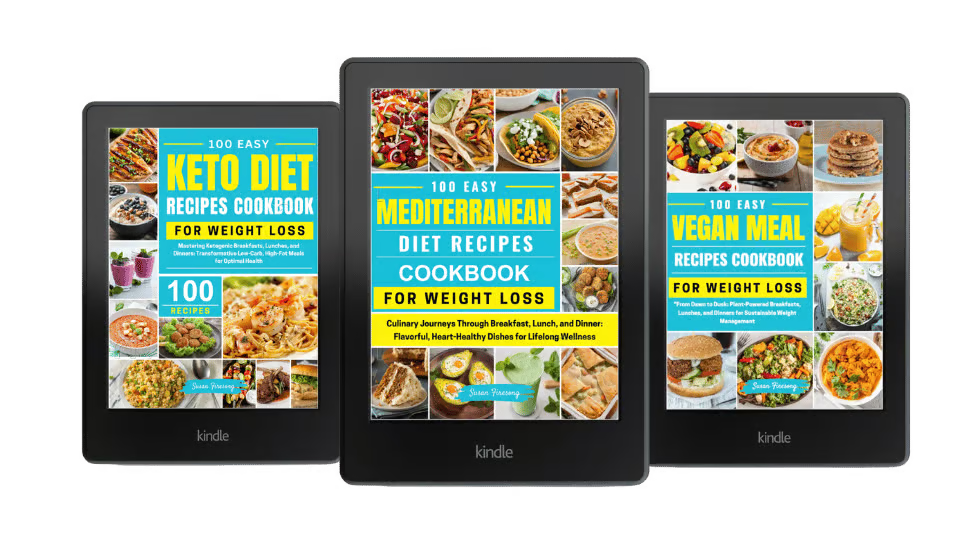
Why wait until you’re hangry and staring emptily into your fridge like a lost puppy? Meal prep is the unsung hero of sensible eating, quietly saving you from those last-minute, regrettable decisions that often involve greasy takeout or a mysterious leftover mystery. When you have meals already prepped and ready, suddenly that frozen pizza doesn’t look so tempting anymore. It’s like having a culinary shield against impulsive snack attacks and food FOMO.
The Science Behind Saying No to Bad Choices
Prepping meals in advance doesn’t just save time — it actively prevents you from grabbing the nearest calorie bomb when hunger hits. Studies show that people who plan and prepare their meals tend to consume fewer calories, eat higher-quality food, and keep weight in check better than those who wing it daily. This is because having healthy, portion-controlled meals pre-made means you’re not left staring blankly at options that end up being fast but not nutritious. Plus, it reduces decision fatigue — less time spent agonizing over what to eat means more mental energy for life’s truly important decisions, like which Netflix series to binge next.
Getting Started Without Losing Your Mind
“For beginners,” they say — and yes, meal prep can sound like a full-time job — start small. Pick one or two simple recipes per week. Cook a batch, portion it out, and store leftovers responsibly (because no one needs a science experiment in the fridge). Give yourself permission to mix it up: veggie bowls, pasta salads, and baked proteins are excellent go-tos that don’t involve wielding a chef’s knife like a samurai sword.
Practical Tips for the Rookie Preppers
- Schedule a dedicated meal prep day, ideally when you aren’t tempted to use “I’m too tired” as an excuse.
- Focus on cooking the longest-to-prepare items first—proteins like chicken, grains like quinoa, and roasted veggies.
- Use versatile staples you actually enjoy and that can be repurposed throughout the week (hello, hard-boiled eggs and chopped greens).
- Invest in good containers; your future self will thank you when you’re grabbing lunches on the go.
- Keep it fun and not a chore: switch up flavors and cuisines to avoid “blah” meals.
Meal prep isn’t just a health fad; it’s a tactical strike against stress, bad choices, wasted money, and the eternal question of “What’s for dinner?” It’s the secret weapon you didn’t realize you needed, but once you wield it, you wonder how you ever survived without it. So go ahead—embrace the prep, and reclaim your fridge (and your willpower).
The Science and Benefits of Meal Preparation: An Evidence-Based Guide
Core Topic: Meal Preparation as a Foundation for Healthy Eating
Meal preparation, or “meal prep,” is a proactive approach to organizing and creating meals in advance. This method goes beyond simple time-saving; it is intricately linked to improved nutritional choices, weight management, reduced decision fatigue, and overall well-being. Below is a comprehensive exploration of meal prep’s scientific basis, benefits, and practical strategies, supported by credible research.
Why Meal Preparation Matters
Meal preparation empowers individuals to take control of their nutrition by curbing impulsive eating habits and reducing reliance on unhealthy “convenience” foods. Studies have consistently demonstrated that people who plan and prepare their meals are more likely to:
- Consume fewer calories
- Choose nutrient-dense, balanced foods
- Maintain healthier weights compared to those who do not regularly plan their meals
A review published in the International Journal of Behavioral Nutrition and Physical Activity found that meal planning correlates with a higher probability of dietary variety and increased likelihood of meeting nutritional guidelines. This deliberate foresight helps individuals bypass the common trap of last-minute, high-calorie food choices that can arise during moments of hunger or stress.
The Science Behind Better Choices
Meal preparation is rooted in behavioral psychology. The concept of “decision fatigue” explains why willpower wanes as the day progresses, increasing susceptibility to poor food choices. By having pre-portioned, healthy options ready, individuals can significantly reduce the mental load associated with continuous food-related decisions.
Research indicates that repeated decision-making drains cognitive resources, making unhealthy, impulsive options more attractive. Meal prepping circumvents this process by automating decisions in advance, supporting long-term adherence to healthy eating patterns.
Practical Strategies for Successful Meal Prep
1. Start Small and Simple
Begin with one or two straightforward recipes each week. Dishes like grain bowls, sheet pan roasted proteins, and hearty salads are ideal for bulk cooking and remain fresh throughout the week.
2. Batch Cooking and Responsible Storage
Cook staple items—such as lean proteins, whole grains, and versatile vegetables—in bulk. Portion sizes into meal containers using safe food storage practices to avoid spoilage and foodborne illness.
3. Prioritize Nutrient-Dense Staples
Focus on ingredients you truly enjoy and that lend themselves to multiple meal combinations (e.g., hard-boiled eggs, chopped leafy greens, cooked legumes).
4. Invest in High-Quality Containers
Sturdy, airtight containers facilitate grab-and-go convenience, preserve freshness, and reduce food waste.
5. Keep Variety and Enjoyment in Mind
Incorporate different flavors, spices, and cuisines to avoid monotony. Rotating recipes each week can sustain enthusiasm and long-term commitment.
Psychological and Economic Benefits
Meal prep is not just about nutrition—it also lessens stress and saves money. By reducing spontaneous takeout orders and the urge for “mystery leftovers,” individuals can lower food-related expenses and streamline grocery shopping. The extra mental energy saved from less mealtime deliberation can be redirected toward more fulfilling activities—further reinforcing positive health behaviors.
Conclusion
Meal preparation is a scientifically validated, practical solution for modern dietary challenges. It enhances nutritional quality, assists in weight management, reduces food-related stress, and fosters sustainable eating habits. By adopting meal prep as a routine, individuals gain autonomy over their health and transform eating from a source of anxiety into an act of self-care.
Key References:
- International Journal of Behavioral Nutrition and Physical Activity
- Journal of Nutrition Education and Behavior
- Harvard T.H. Chan School of Public Health
FAQ on Meal Preparation and Healthy Eating
What is meal preparation and why is it important for healthy eating?
Meal preparation is planning and making meals in advance to promote balanced nutrition and reduce impulsive, unhealthy food choices. It supports consistent intake of nutrient-dense foods, aiding in weight management and overall well-being by reducing reliance on convenience foods.
How does meal preparation help with weight management?
Meal prep ensures pre-portioned, balanced meals that limit calorie intake and prevent overeating. Studies show people who prep meals regularly have lower obesity rates and improved weight loss outcomes compared to those who do not.
What is decision fatigue and how does meal prep combat it?
Decision fatigue is the mental exhaustion from making many decisions, reducing willpower and leading to poor eating choices. Meal prep reduces daily food decisions by having ready meals, preserving self-control and promoting healthier dietary habits.
What are practical tips for starting meal preparation?
Start small with simple recipes like grain bowls or salads, batch cook staples such as proteins and grains, invest in quality containers, and rotate meal varieties to keep it enjoyable and sustainable.
Does meal preparation have psychological benefits?
Yes, meal prep lowers stress related to food choices, boosts self-esteem, and provides a sense of control over diet. This can improve mental clarity and reduce cortisol levels, contributing to better overall health.
How does meal prep save money?
By planning meals and grocery shopping in bulk, meal prep helps avoid expensive takeout and impulse purchases, reducing food costs by up to 60% compared to dining out.
Can meal prep improve diet quality and nutrition?
Meal prep promotes adherence to dietary guidelines by encouraging diverse, nutrient-rich foods and reducing consumption of processed and ultra-processed items linked to chronic diseases.
How often should meal prep be done for best results?
Weekly meal prep sessions are recommended to align with cognitive resources and reduce daily decisions. Planning once per week can streamline food choices and support long-term healthy eating patterns.
What role does portion control in meal prep play in health?
Pre-portioning meals during prep controls calorie intake, prevents overeating, and helps regulate blood lipids, contributing to weight loss and cardiovascular health improvements.
Is meal preparation suitable for all ages and lifestyles?
Meal prep benefits are broad, improving diet quality and mental health across age groups and lifestyles, including older adults. It can be tailored to individual preferences and constraints for personalized healthy eating.